Where to Fix Ingrown Toenail: A Comprehensive DIY Guide
Discover safe at-home steps for fixing an ingrown toenail, know when to seek professional care, and prevention strategies to reduce recurrence. This guide provides clear, step-by-step instructions for pain relief and infection prevention.


In this guide, you’ll learn where to fix an ingrown toenail and when to seek help. For mild cases, at-home steps and basic care may relieve pain; for infection signs or severe pain, a clinician should handle treatment. Gather clean supplies and follow the step-by-step process.
What is an ingrown toenail and why it hurts
According to Disasembl, an ingrown toenail (onychocryptosis) happens when the nail edge grows into the surrounding skin. This can cause pain, redness, and swelling. Common triggers include trimming nails too short or rounding the edges, wearing tight shoes, or repeated toe trauma. If the nail edge penetrates the skin, bacteria can enter and cause infection. Most mild cases respond to careful home care, but a worsening or infected nail may require medical attention.
Self-assessment: signs you can manage at home
You may manage a mild ingrown toenail at home if you have pain relief with basic measures, no spreading redness or fever, and you are not diabetic or immunocompromised. Look for pain that improves with soaking and gentle nail care, and watch for signs of infection such as increasing redness, warmth, swelling, or pus. If you have diabetes, poor circulation, or numbness in the foot, seek professional guidance sooner.
Safe at-home care steps for mild cases
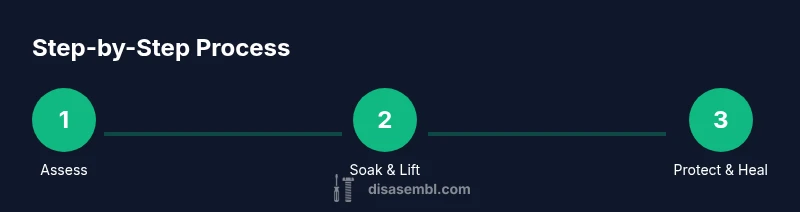
Begin with a thorough foot soak: sit with your foot in warm water for 10–15 minutes to soften skin and nail. Dry thoroughly. Gently lift the nail edge away from the skin using clean floss or a tiny piece of cotton placed under the edge. Do not insert sharp objects into the skin. Trim the nail straight across, not rounded, to prevent further irritation. Place a small piece of sterile cotton under the nail edge to encourage the nail to grow above the skin, then apply antiseptic and cover with a sterile Bandage. Change dressings daily and monitor for signs of infection. OTC pain relief can help, if appropriate for you.
When to seek professional care: red flags
If pain worsens, redness and swelling spread, you notice pus, or you develop fever, seek professional care promptly. People with diabetes, neuropathy, or poor circulation should not attempt home remedies long-term and should contact a clinician at the first sign of trouble. A clinician can evaluate for infection and determine the best treatment path.
Clinic and surgical options for persistent ingrown nails
When conservative care fails or recurrent ingrown nails occur, a podiatrist may perform a partial nail avulsion to remove the nail edge and sometimes a matrixectomy to prevent regrowth. These are minor outpatient procedures performed under local anesthesia. Risks are rare but can include infection, numbness, or recurrence. Your clinician will discuss the risks and benefits and provide aftercare instructions.
Post-care and follow-up rituals
After treatment, keep the area clean and dry. Follow your clinician’s wound-care instructions, including how to change dressings and when to return for evaluation. Avoid tight footwear and wet environments until healing progresses. Return to normal activity gradually and monitor for signs of infection.
Prevention strategies to reduce recurrence
Adopt proper nail trimming: cut nails straight across and file edges smoothly. Wear well-fitting, breathable shoes and avoid tight or pointed footwear. Keep feet clean and dry, and consider regular foot checks if you have diabetes or circulatory issues. For nails that are prone to recurrence, consider routine podiatric evaluation.
Common mistakes to avoid
Do not cut nails at an angle or round the corners, as this can encourage the nail to grow into soft tissue. Avoid attempting to dig out the nail with sharp tools, which can cause deeper injury. If symptoms persist for more than a couple of days, or if you notice fever or spreading redness, seek professional care.
The role of diabetes and poor circulation
People with diabetes or poor circulation should treat with extra care. Even a small nail problem can lead to a serious infection. If you are in this group, consult a clinician early and follow orders strictly to prevent complications.
Tools & Materials
- Warm water basin(Large, shallow basin for soaking; water between 37-40°C)
- Epsom salt (optional)(Add 1-2 teaspoons per liter if desired)
- Antiseptic solution (iodine or alcohol)(For cleaning before and after procedures)
- Sterile gauze pads(For applying dressings)
- Cotton balls or strips(To separate nail edge)
- Nail clippers (sharp, clean)(Trim nails straight across)
- Nail file or emery board(Smooth edges after clipping)
- Dental floss or dental pickup(Gently lift nail edge without hurting skin)
- Cotton thread (optional)(To create space under nail edge)
- Adhesive bandages or waterproof bandage(Cover after dressing)
- Disposable gloves(Maintain hygiene (optional))
- Pain relievers (ibuprofen or acetaminophen)(Only if advised by a clinician)
- Antibiotic ointment(As directed if infection risk)
Steps
Estimated time: 60-90 minutes
- 1
Prep the workspace
Wash your hands, rinse and lay out tools on a clean surface. Ensure good lighting and a calm environment to avoid mistakes.
Tip: Organize tools in order of use to minimize contamination. - 2
Soak the foot
Soak the affected foot in warm water for 10–15 minutes to soften skin and nail structure.
Tip: Water should be comfortably warm; test with elbow before applying to toe. - 3
Gently lift nail edge
Using clean floss or a small cotton piece, gently lift the nail edge away from the skin without forcing it.
Tip: Do not pry or cut into the skin. - 4
Trim nail straight across
Trim the nail straight across to avoid rounding corners that can dig into skin.
Tip: Only trim the portion visible above the skin line. - 5
Place cotton under edge
Insert a small piece of sterile cotton under the nail edge to guide it to grow away from the skin.
Tip: Change the cotton daily to keep it clean. - 6
Apply antiseptic and bandage
Cleanse again around the toe, apply a thin layer of antiseptic ointment, and cover with a sterile bandage.
Tip: Keep dressings dry and clean; avoid tight bandages. - 7
Pain management
Take an OTC pain reliever as directed if there is pain after the procedure.
Tip: Follow the label and avoid mixing with other medications without guidance. - 8
Monitor healing
Check daily for signs of improvement or worsening; keep the area dry between soakings.
Tip: If redness spreads or pus appears, seek medical advice. - 9
Know when to seek help
If symptoms persist beyond a few days or you have risk factors, consult a clinician.
Tip: Do not delay professional care if you have diabetes or numbness.
Got Questions?
Can I fix an ingrown toenail at home?
Yes, mild cases can often be managed at home with soaking, gentle nail care, and proper hygiene. If pain worsens or infection signs appear, seek professional care.
Yes, mild cases can often be managed at home, but seek help if pain worsens or infection develops.
When should I see a clinician for an ingrown toenail?
Seek care if pain persists beyond a couple of days, redness or swelling spreads, you notice pus, or you have diabetes or poor circulation.
See a clinician if pain lasts more than a couple of days or there are signs of infection, especially with diabetes.
What are red flags of infection?
Pus, increasing warmth, spreading redness, fever, or swelling indicate possible infection requiring medical assessment.
Watch for pus, warmth, redness, or fever—these require medical evaluation.
Is it safe for diabetics to attempt home care?
Diabetics should be cautious; poor healing can lead to serious complications. Seek medical guidance early and follow a clinician’s plan.
Diabetes requires caution; talk to a clinician early and follow their care plan.
What surgical options exist for persistent ingrown nails?
A clinician may perform partial nail avulsion or matrixectomy to prevent recurrence. These are outpatient procedures with recovery guidelines.
Partial nail removal or matrixectomy can help persistent cases, done in clinic with aftercare instructions.
How can I prevent recurrence after care?
Trim nails straight across, wear proper footwear, keep feet dry, and schedule regular foot checks if you have risk factors.
Keep nails straight and feet dry, and wear comfortable shoes to prevent recurrence.
Watch Video
What to Remember
- Identify mild symptoms suitable for home care.
- Follow straight-across trimming and gentle lifting techniques.
- Monitor for infection and seek care if red flags arise.
- Use professional care for recurrent or complex cases.
- Prevent recurrence with proper nail care and footwear.