How difficult is it to assemble a grill? A practical DIY guide
Discover how hard grill assembly is, what affects difficulty, and practical steps to succeed. This guide provides a clear plan, tool list, step-by-step directions, and safety tips to help DIYers gauge effort and decide when to seek professional help. From model types to common mistakes, Disasembl shares actionable guidance.


How difficult is it to assemble a grill? The answer varies by model, your DIY experience, and how well you prepare. In most cases, expect a 60–180 minute hands-on build, plus time for unboxing and final checks. With reading the manual, organizing fasteners, and dry-fitting subassemblies, the process tends to stay in the easy to moderate range, especially if you choose a simpler model.
What makes grill assembly hard or easy?
If you're asking how difficult is it to assemble a grill, the short answer is: it depends. Model design, your DIY experience, and how thoroughly you prepare all parts determine the workload. According to Disasembl, the difficulty often tracks with modular frame design, the number of parts, and the presence of pre-wired components such as ignition systems and gas lines. Clear diagrams and color-coded hardware typically make the process smoother, while generic instructions can lead to misalignment and extra time. For most hobbyists, assembly sits in the easy-to-moderate range, with hands-on work in the 60-120 minute window plus time for unboxing and final checks. The Disasembl team found that starting with a plan, grouping fasteners, and dry-fitting subassemblies before final tightening reduces mistakes and speeds up the overall flow.
Grill types and how that shapes the challenge
Grills come in several core types, and each type tends to drive a different assembly experience. Gas grills usually have burners, burners manifolds, valve assemblies, and gas lines that must be connected properly and leak-tested. Charcoal grills emphasize the frame, lid, vents, ash catcher, and grate assembly; they tend to be simpler but the vent system requires precise alignment. Pellet grills add electrical controllers, augers, and temperature sensors, which increases wiring and software connections. Portable grills save weight and parts but still demand correct lid fit and stable base. The common thread is that the more auxiliary features a model includes, the higher the potential for tricky connections and alignment tasks. If you’re new to DIY, start with a compact charcoal or a small gas grill to build confidence before moving to feature-rich models. Disasembl analysis suggests effort scales with added components and integrated systems.
Reading the kit: diagrams, hardware, and labels
A successful assembly starts with reading the kit before touching tools. Look for the exploded view diagram, the bill of materials (BOM), and a parts list that matches the hardware in your box. Compare the diagram to the actual components, noting any unfamiliar fasteners and whether they have matching washers, spacers, or gaskets. Labeling matters: screws labeled M6x20, for example, or a dotted line for a connector pin indicates where that piece belongs. If the kit includes a wiring harness or gas-supply hardware, inspect the connector shapes and colors to avoid mis-mating parts. Summarize the plan on a clean surface, lay out bags by step, and keep an eye on the orientation of panels. A calm, methodical approach reduces rework and helps ensure the grill sits square and level.
Planning workspace, lighting, and safety
Before you begin, designate a large, dust-free space with a flat surface. Clear away breakables and ensure you have a clean path to your work area. Good lighting (preferably daylight or a bright LED) helps you spot small parts and read tiny imprints. Safety comes first: wear gloves, protect your eyes if you’re cutting or bending metal, and make sure your grill area is away from flammable materials. Have a small tray for screws and a separate one for washers and nuts to keep hardware organized. Check that your outdoor power sources or gas supply lines are in good condition and that you have the right tools within reach. The idea is to minimize trips back to the toolbox so you stay focused on the task at hand.
Subassemblies: base, frame, lid, shelves
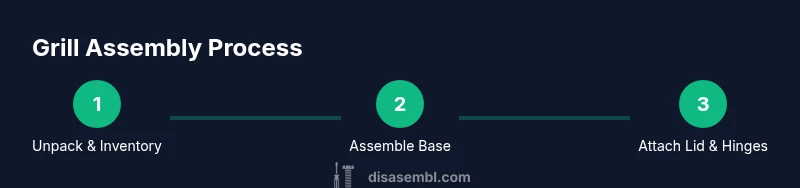
A practical strategy is to divide the design into subassemblies and build in a logical sequence. Start with the base and frame to create a sturdy skeleton. Then attach the cart or stand, followed by the lid, hood hinges, and any side shelves or tool hooks. Build subassemblies on a table and dry-fit them before fastening to the main frame. This approach helps you verify alignment and avoid mis-threaded bolts later. If your grill uses a slide-out grease tray, test its movement in this stage. Finally, secure all panels loosely so you can adjust if needed after mounting the lid. Factoring in the inevitable adjustments increases your likelihood of a clean final fit.
Hardware handling and potential pitfalls
Hardware is the backbone of a successful build. Separate screws, bolts, washers, and nuts by size and type, then group them for each subassembly. When you insert fasteners, start by hand to feel the threads catching before using a tool. Avoid overtightening; you risk bending panels or stripping threads, especially on aluminum parts. Cross-threading is a common problem when aligning diagonal braces or misreading a screw length. If you encounter a stubborn bolt, back it out, inspect for damaged threads, and wipe away any thread locker before retrying. Keep track of which fasteners belong to which part; a few minutes of labeling now saves hours of rummaging later.
Common mistakes and how to avoid them
Rushing through steps is a frequent cause of the need to redo subassemblies. Skipping the dry-fit stage can lead to panels not sitting squarely, and missing fasteners will pop up at the most inconvenient moment. Failing to read the user manual thoroughly may cause you to miss specific torque specs or cautions about gas connections. Also, neglecting to test-fit the lid alignment before fully tightening can lead to a lid that won’t close. To prevent these issues, pause after each major subassembly, visually confirm alignment, and re-check hardware against the BOM.
Tools and optional upgrades
A basic toolkit is enough for most grills, but having the right tools can speed up assembly. Essential items include a magnetic Phillips screwdriver, an Allen wrench set, a pair of pliers, and a torque-ready driver if you anticipate precise tightening. A rubber mallet can help seat stubborn panels without bending metal. Optional upgrades include a cordless drill with a suitable bit for faster screw driving and a small digital caliper to verify part dimensions when parts appear slightly out of spec. For safety and comfort, wear gloves and take breaks if you’re assembling a heavy unit. Remember that some grills come with built-in tools and accessories; use them if they reduce the number of independent steps.
Time estimates and pacing
Time considerations play a major role in your overall experience. Most standard backyard grills take roughly 90 to 180 minutes for a straightforward build, assuming you are working alone and have a well-organized kit. If you’re assembling a feature-rich grill with electronic ignition, multiple burners, and many accessories, plan for the higher end of that range or longer if you’re new to DIY projects. Pacing is important: try to complete one subassembly before moving to the next, and take short breaks to keep your focus. A little planning goes a long way toward preventing fatigue, which is a leading cause of mistakes during assembly. Disasembl’s practical guidance emphasizes pacing as much as torque.
When to call for help and warranties
If you’ve spent substantial time and still cannot achieve a square, level, or leak-free assembly, it may be time to consider professional help. Many manufacturers recommend professional assembly for complex grills to preserve warranty coverage and ensure safety. Before you call, double-check the kit contents against the BOM, verify you have all required tools, and confirm your gas or electrical connections meet local codes. When in doubt, reach out to the retailer or manufacturer’s support line; a quick diagnostic can save much time and money. The warranty terms may specify what constitutes ‘proper assembly’ and who is authorized to perform it, so read them closely to avoid voiding coverage. The Disasembl team recommends seeking expert help for engineered, high-pressure connections or if you’re unsure about gas safety.
Authoritative sources
For safety and best practices, consult federal and educational resources. The U.S. Consumer Product Safety Commission provides guidelines on outdoor grilling safety and equipment maintenance. OSHA offers general guidelines for working with tools and heavy equipment, including personal protective equipment and safe lifting practices. National standards and consumer protection materials from reputable agencies can help you approach grill assembly with confidence and avoid common hazards. Always verify credibility and date of the guidance you consult and cross-check with the grill manufacturer’s instructions.
Quick reference cheat sheet
- Plan first: read the manual, lay out parts, and group hardware by subassembly.
- Dry-fit everything before tightening any bolts.
- Start with the base frame, then add the body, lid, and mounting hardware.
- Use the right tool for the right fastener; avoid overtightening.
- Test fit the lid before final tightening and perform a safety test on gas lines if applicable.
- Stop and revisit any misalignment rather than forcing components into place.
Tools & Materials
- Phillips head screwdriver (magnetic preferred)(Size #2; keep one hand on the grip to prevent slippage)
- Flat-head screwdriver(Useful for prying and special fasteners, optional if not included)
- Allen wrench set (hex keys)(Common sizes include 3/32" and 1/8")
- Adjustable wrench(For stubborn nuts and mounting bolts)
- Pliers (needle-nose preferred)(Helps with small hardware and hose clamps)
- Rubber mallet(Assists seating panels without bending metal)
- Gloves (work gloves)(Protect your hands from sharp edges and heat shields)
- Tape measure(Useful for confirming level placement during mounting)
- Torque driver (optional)(Use if the kit specifies precise torque values)
Steps
Estimated time: 90-180 minutes
- 1
Prepare the workspace
Clear a large, flat area. Lay out a soft mat and assemble tools within easy reach. Take a few minutes to read the manual and locate the BOM. This reduces back-and-forth trips and helps you plan subassemblies.
Tip: Place a notepad nearby to label bags and note part numbers as you go. - 2
Unpack and inventory parts
Open the box carefully and inventory each part against the diagram. Check for missing components before you start; contact support if you find gaps. Keeping parts organized saves time later.
Tip: Line pieces up by size and function to speed up later steps. - 3
Read the manual and plan
Review the step order and torque specs. Decide which subassemblies to build on a table before attaching to the main frame. Confirm whether electrical or gas connections are included and how they should be tested.
Tip: Consider taking a quick photo of each step before disassembly for future reference. - 4
Assemble the base frame
Attach the base or cart to create a stable platform. Ensure corners are square and fasteners are snug but not over-tightened. Use a level if available to verify the frame sits evenly on the floor.
Tip: Check for square by measuring diagonal corners after the frame is assembled. - 5
Install burners, grates, and support rails
If your grill is gas, install burner manifolds and ensure gas lines are routed correctly away from heat sources. For charcoal grills, assemble the grate supports and ash tray. Dry-fit these components before final tightening.
Tip: Never overtighten burner fittings; leak-test after assembly per the manual. - 6
Attach the lid and hinges
Mount the lid hinge pins and align the lid with the body to ensure smooth opening/closing. Tighten the screws gradually, pausing to verify alignment after each torque step.
Tip: Test the lid motion with light pressure to detect binding early. - 7
Add shelves, hooks, and accessories
Install side shelves, tool hooks, and any optional temperature gauges. Ensure all clips and screws engage securely and do not interfere with moving parts.
Tip: Use a small magnet to keep screws from rolling away while mounting shelves. - 8
Connect electrical or gas components
If your grill includes electrical ignition or gas connections, follow the exact wiring and hose routing in the diagrams. Perform a leak test or continuity check as instructed by the manufacturer.
Tip: If unsure about gas safety, stop and consult the manual or support before proceeding. - 9
Final tighten, alignment, and checks
Go over all fasteners again, check for square, level, and proper lid fit. Verify that wheels roll smoothly and brackets collect drips as designed. Wipe down surfaces and remove any packaging debris.
Tip: Keep a list of any issues and address them before the first use. - 10
Test run and safety verification
If gas or electrical connections exist, perform the safety test as described in the manual. Light the grill according to the safety steps and observe for any irregular flames or smells. Sit back and ensure you feel confident in operation.
Tip: Document the test results and keep the manual on-hand for future maintenance.
Got Questions?
Is assembly easier with two people?
Yes. Having a second person helps with lifting heavy parts, aligning panels, and passing tools. It also reduces the risk of dropped components and misalignment during tricky steps.
Yes. Having a second person helps with lifting, alignment, and tool passing, reducing the chance of mistakes.
What tools are essential to avoid confusion?
A magnetic Phillips screwdriver, a set of Allen wrenches, pliers, and an adjustable wrench cover most builds. Keep a flashlight handy to illuminate tight spaces and avoid improvising with makeshift tools.
Essential tools include a magnetic Phillips screwdriver, Allen wrenches, pliers, and an adjustable wrench, plus a flashlight for tight spaces.
How long does a typical grill assembly take?
Most straightforward grills take about 90 to 180 minutes of hands-on work, depending on features and your familiarity with similar projects.
Most grills take roughly 90 to 180 minutes, depending on features and your experience.
Will assembly void my warranty?
Many manufacturers require professional assembly for certain warranty stipulations. Always check the warranty terms and follow the manual closely to avoid voiding coverage.
Check the warranty terms; professional assembly may be required to keep coverage intact.
Why do some grills have pre-assembled parts?
Pre-assembled parts speed up installation and reduce alignment errors, especially on larger models with modular frames.
Pre-assembled parts save time and reduce misalignment on bigger models.
What if parts are missing or damaged?
Contact the retailer or manufacturer immediately. Do not substitute parts, as incorrect components can compromise safety and performance.
If parts are missing or damaged, contact the seller right away and don’t substitute parts.
Watch Video
What to Remember
- Assess the model type to gauge difficulty
- Plan, dry-fit, and label parts before tightening
- Base, frame, lid, and accessories form the essential sequence
- Safety checks are mandatory for gas/electrical grills
- When in doubt, seek professional help to protect warranty and safety