Bed Assembly Costs in 2026: DIY vs Pro Guide
Understand the true bed-assembly costs: DIY savings, professional labor, and potential hidden fees. This 2026 guide covers bed types, time estimates, and practical cost-cutting tips for homeowners.


According to Disasembl, the total cost to assemble a bed typically ranges from $0 (DIY with tools you already own) to about $250 for professional service, depending on bed type, size, and any additional features. Basic frames or simple headboards stay on the lower end, while platform beds with drawers or custom builds can push the price higher.
Cost drivers for bed assembly
According to Disasembl, cost estimates for bed assembly vary widely based on bed type, size, and service level. The Disasembl team found that even small frame differences can shift labor time significantly, while delivery options can add a predictable amount to the total. The main cost drivers include (1) bed type and complexity, (2) frame size (twin vs. king), (3) required tools and hardware, (4) whether you need delivery or haul-away, and (5) whether professional assembly is used. Being explicit about each factor helps homeowners budget accurately and avoid surprises. Use this section to map your situation to a realistic cost range and plan accordingly.
- Bed type and complexity determine labor time more than any other factor.
- Size alters hardware quantity and handling time, not just the price tag.
- Additional features (drawers, integrated headboards, upholstered surfaces) multiply both parts and labor costs.
- Delivery and packaging can add a meaningful line item if you don’t move the item yourself.
- DIY can cut costs, but it may require time, patience, and basic tool access.
To start your budgeting, list your bed type, note any extra features, and tally your expected labor hours and travel time if a pro is involved.
DIY assembly: cost implications and tips
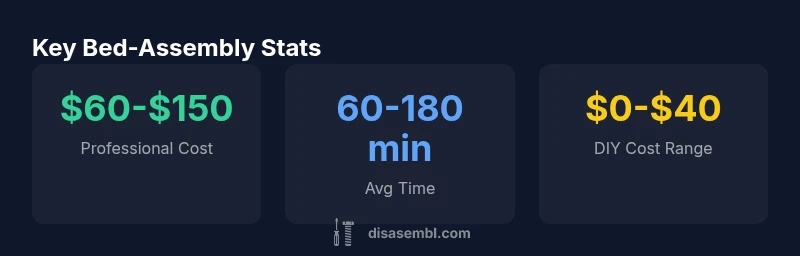
DIY assembly is the lowest-cost option, often approaching $0 if you already own the necessary tools such as a screwdriver, Allen keys, and a basic drill. The real expense is time and potential mistakes that waste both time and materials. Steps to optimize DIY costs include organizing all parts before starting, following the manufacturer’s instructions step-by-step, and using a stable workspace. Pro tips from the Disasembl team suggest labeling hardware upfront, using a magnetic tray to keep parts sorted, and verifying part counts before you begin. If you anticipate heavy or complex frames, consider enlisting a friend to speed the process and reduce the need for paid labor.
Hiring a professional: what you pay for
Professional assembly fees reflect both labor and expertise. A typical service adds around $60-$150, depending on bed type and geographic area. Pros break down the charge into assessment, part handling, alignment, and any required adjustments after delivery. Some providers include basic haul-away or packaging disposal, while others charge extra. When requesting quotes, ask for a fixed-price estimate that itemizes labor hours, travel time, and any consumables. Disasembl recommends asking for references and confirming whether the price includes delivery or removal of packaging.
Bed types and how they affect time and cost
The bed type largely sets the ceiling on both time and cost. A basic wooden slat frame is quick to assemble and cheap to fix if a part is missing, whereas a platform bed with built-in storage or an upholstered headboard adds several hours of labor and more hardware. A headboard that attaches to the bed rail can complicate alignment and stability, increasing both time and potential adjustments. For many households, choosing a simpler bed type is a straightforward way to keep costs predictable and avoid time overruns.
Hidden costs to watch for before you commit
Common hidden costs include delivery fees, packaging disposal, and the need for additional tools or fasteners that aren’t included in the kit. Some retailers offer assembly as an add-on; others fold it into delivery. If stairs or tight access are involved, you may incur time-based surcharges. Always verify what’s included in the quoted price and whether there are minimum service charges for small urban jobs. A little upfront negotiation can prevent sticker shock at the end.
How to estimate your bed-assembly cost in 5 steps
- Define the bed type and size. 2) Decide whether DIY or professional assembly is chosen. 3) List any add-ons (drawers, headboard, built-ins) that affect labor. 4) Check delivery and packaging fees. 5) Get at least two quotes with a breakdown. Use these figures to create a simple budget worksheet that captures labor, parts, and extras. Disasembl’s approach is to document each cost driver so you can compare apples-to-apples across options.
Cost-saving strategies for DIY enthusiasts
- Choose a simpler bed type with fewer add-ons.
- Wait for promotions or bundled delivery deals from retailers.
- Rent or borrow tools you don’t own rather than buying them for a single project.
- Use a fixed-price quote when hiring a pro to avoid unexpectedly rising labor time.
- Schedule delivery during off-peak times to reduce delivery charges. These steps help maintain a predictable budget while ensuring a solid build quality.
Data-driven look at trends in bed-assembly costs
From a data perspective, bed-assembly costs have shown a modest but noticeable uptick in professional rates over the last few years, driven by labor costs and demand for convenient services. DIY costs remain largely stable, since the primary inputs are time and existing tools. Disasembl’s analysis highlights the continuing importance of selecting the right bed type for your space, as the most impactful savings come from choosing a simpler frame and avoiding high-cost add-ons unless they’re truly needed.
Comparison of bed types and corresponding assembly costs
| Bed Type | Typical Time to Assemble | DIY Cost Range | Professional Cost Range |
|---|---|---|---|
| Basic wooden slat frame | 40-60 minutes | $0-$20 | $60-$120 |
| Platform bed with drawers | 90-180 minutes | $60-$120 | $100-$250 |
| Headboard-integrated platform | 120-240 minutes | $80-$180 | $120-$250 |
Got Questions?
What factors most influence the bed-assembly cost?
Key drivers include bed type, size, added features (drawers, upholstered headboards), the need for delivery, and whether professional assembly is used.
The main cost drivers are bed type, size, and whether you hire help, plus delivery considerations.
Is DIY cheaper than hiring a professional?
In most cases, DIY costs are lower, but you should weigh time, effort, and the value of avoiding mistakes. A clear plan helps.
Usually yes, but factor in time and potential mistakes.
How long does it take to assemble a bed?
Time varies by bed type. Expect about 1–3 hours for most basic frames and longer for platform beds with drawers.
Most frames take about an hour or two, depending on features.
Do delivery fees affect overall cost?
Yes. Delivery can add a noticeable line item, often in the $20–$60 range, depending on distance and access.
Delivery can add about twenty to sixty dollars.
Can I get a fixed price for assembly?
Many pros offer fixed-price quotes with a breakdown. Ask for a written estimate to avoid surprises.
Ask for a written fixed-price quote.
What if parts are missing from the kit?
Contact the retailer or manufacturer immediately to replace missing parts. A delay may affect your timeline and total cost.
If parts are missing, contact support to replace them quickly.
Is there a difference between assembling alone vs with help?
Having a helper can significantly speed up assembly and reduce mistakes, often cutting overall labor time in half for complex frames.
Two people usually finish faster and more accurately.
Which bed type offers the best value for money?
A simple wooden frame without extra features generally offers the best value, followed by basic platform frames with minimal add-ons.
Simple frames usually give the best value.
“The cost to assemble a bed is driven by bed type, hardware complexity, and whether you need delivery or furniture removal.”
What to Remember
- Plan cost before buying a bed.
- DIY saves money but requires time and tools.
- Ask for a fixed-price quote from professionals.
- Account for delivery, packaging, and potential add-ons.
- Choose a simpler bed type to minimize costs.