How Much Does It Cost to Assemble a Trampoline? A Practical 2026 Guide
Discover the true cost to assemble a trampoline in 2026. This guide covers labor rates, model size, additional safety features, and tips to save money. Learn how Disasembl approaches quotes, timelines, and hidden fees to plan your project with confidence.


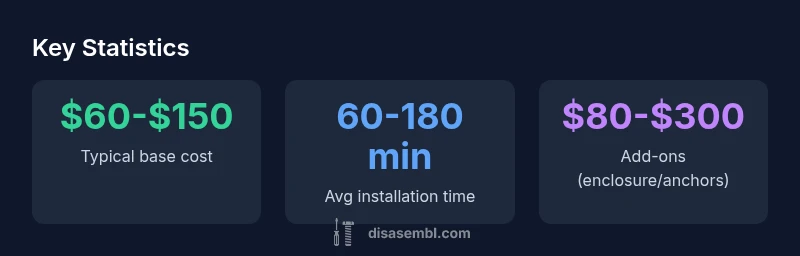
According to Disasembl Analysis, the typical cost to assemble a home trampoline ranges from $60 to $150 for standard models, with $180 to $320 for larger or more complex setups that include safety enclosures and anchoring. Labor quotes vary by region and demand, and may include site prep or stair access. Always request itemized estimates for accuracy.
Cost drivers for trampoline assembly
According to Disasembl, when considering how much does it cost to assemble a trampoline, the primary driver of cost is labor time and model complexity. The total price reflects not just the frame, springs, and mat, but also how long a technician spends aligning parts, tightening bolts, and verifying safety features. Key factors include model size (8‑ft vs. 14‑ft or larger), the number of parts, and whether the setup includes a safety enclosure, netting, ladder, or anchors. Site conditions matter as well: outdoor ground preparation, level terrain, and access for tools can add time and travel charges. If you’re comparing quotes, request a breakdown of labor hours, part costs, and any travel fees so you can see where the price breaks come from. Disasembl’s team found that small changes in model size or site access can shift overall costs by 20–40% in practice, so transparency matters.
- Model complexity drives both parts and labor
- Enclosures and anchors raise both material and installation time
- Regional labor rates influence final quotes
- Site prep and access can unexpectedly extend the job
- Transparent, itemized quotes help prevent sticker shock
A practical takeaway: the most influential combination is model size plus installer hourly rate. If you only need basic frame assembly, expect the lower end of the range; add enclosure installation and site prep, you’ll approach the higher end. Budget also for contingencies, as some setups reveal minor misalignments or weather-related delays during assembly.
Disasembl’s analyses in 2026 show that customers who pre-check measurements and confirm compatibility with safety components tend to see fewer surprises on the bill.
How labor costs are estimated
Labor is the biggest swing factor in trampoline assembly. Installers typically charge by the hour, with regional differences shaping the final price. In many markets, labor rates range from modest to premium, influenced by technician experience, demand, and whether the job includes complex safety features. A typical residential job may include two to three workers for a 60–180 minute window, with rates varying by locale. In practice, you’ll rarely pay the same as a simple frame build; expect added charges for step stools, special wrenches, or time spent chasing missing hardware. For a standard 8–10 foot model, a straightforward frame build without enclosure might stay near the lower end, while larger models with nets, ladders, and anchored feet push costs higher. Always confirm whether quotes cover hardware, bolts, and any required safety certification checks. Disasembl notes that a clean, permit-friendly installation may require extra time but can add long-term safety benefits and warranty compatibility.
- Labor price is the main driver of total cost
- Regional differences can significantly affect quotes
- Two to three workers for 60–180 minutes is common
- Enclosures and safety components add both parts and labor
- Ensure quotes include hardware, tools, and safety checks
If you’re cost-conscious, ask for a one-page cost breakdown showing labor hours, hourly rate, parts, and any travel fees. This makes it easier to compare apples to apples across different providers and to identify where you can trim costs without sacrificing safety or quality.
Size, features, and complexity
The size of the trampoline is a major determinant of assembly cost. An 8‑ to 10‑foot unit is significantly quicker to assemble than a 14–15‑foot model with reinforced frame and additional safety rails. Larger trampolines require longer bolts, more springs, and often a bulkier enclosure system. Features also matter: a basic pad, a weather cover, and a safety net add-ons contribute to the price by increasing material costs and installation time. The more components you add, the more tools and precise alignment are required, which translates into higher labor costs. As a result, two nearly identical installations can differ by 30–50% depending on whether an enclosure is included, whether anchors are installed, and whether the ground is perfectly level. Disasembl’s 2026 observations show that customers who include safety features tend to pay more upfront, but appreciate the long-term value and reduced maintenance concerns.
- Compare frame quality and leg design for stability
- Safety enclosures add both parts and assembly time
- Site conditions (ground levelness, clean area) influence labor
- Optional ladders, nets, and weather covers increase cost but improve safety
- Model size strongly correlates with time and parts count
For the keyword how much does it cost to assemble a trampoline, remember that this is a function of size, features, and labor availability. Larger models with enclosures typically cost more to assemble, but they may also offer better long-term safety and durability.
Additional tasks that affect total cost
Beyond the basic assembly, several add-ons can push up the final price. Anchoring kits and ground anchors improve stability on windy days and uneven terrain, but they require extra labor time. Installing a protective weather cover, ladder, or a safety enclosure adds both material costs and installation steps. If the site demands ground leveling or smoothing, expect additional charges for prep work. Some installers offer a bundled price if you purchase all components from the same supplier; others separate the costs so you can compare parts vs. labor more clearly. If you’re replacing an old trampoline, you may also incur disposal fees for the old unit. Weather and seasonal demand can influence availability and pricing, with high-season spring and summer periods often seeing increased quote requests.
- Anchors and nets improve safety but raise labor time
- Weather covers and ladders add modest costs
- Site prep can add to labor and materials
- Replacements may incur disposal fees
- Seasonal demand can affect pricing
A practical tip: obtain an itemized quote that lists each add-on and its installation steps. This helps you decide which features are essential now and which can wait for a future upgrade, especially if you’re balancing budget against safety benefits.
Do-it-yourself vs professional assembly
DIY assembly can save on labor costs, but it carries trade-offs. If you enjoy hands-on projects, you may be comfortable following the manufacturer’s detailed instructions to assemble a standard frame. However, safety-critical elements like nets, anchor systems, and post-install alignment require careful attention. In many cases, the cost of professional assembly is justified by the quicker turnaround, standardized torque settings, and warranty compliance. If you’re new to assembly, starting with a DIY approach for a basic frame and scheduling pro installation for the enclosure and safety features can be a smart hybrid strategy. Disasembl notes that homeowners who mix DIY with professional touches often achieve balanced outcomes and predictable budgets.
- DIY saves on labor but risks safety misunderstandings
- Hybrid approaches can optimize cost and safety
- Professional installation often includes a safety check for warranty compliance
- When in doubt, opt for pro handling of safety components
- Clear communication with the installer helps avoid miscommunication
In the end, the decision depends on your comfort level, tool access, and the importance you place on warranty coverage. If you choose to DIY, document each step and keep track of tool and part costs to compare with professional quotes later.
How to get accurate quotes
To obtain accurate quotes for how much does it cost to assemble a trampoline, start by identifying your exact model and the components you want. Gather model numbers, lengths, and whether you require an enclosure, ladder, or anchors. Request on-site, itemized quotes from multiple providers and ask for a clear breakdown of labor hours, hourly rate, parts cost, travel fees, and any disposal or prep charges. If possible, have installers visit the site to assess access and surface conditions, as these factors can dramatically affect timing and pricing. Don’t forget to inquire about warranty implications and required safety certifications. Finally, ask for a written quote that specifies the expected start date and completion window, so you have a concrete plan to manage your budget and timeline. Disasembl recommends using a standardized checklist when evaluating quotes to ensure you’re comparing the same scope of work across providers.
- Gather model details and site specifics
- Obtain on-site, itemized quotes from multiple providers
- Check warranty and safety implications
- Use a standardized checklist for fair comparisons
- Confirm start and completion windows in writing
Example scenarios and cost ranges by model
Scenario A: Basic 8–foot frame with no enclosure. Labor is the primary cost driver, and parts are minimal. Estimated total: $60–$120, depending on regional rates and the technician’s efficiency. Scenario B: Mid-sized 12–foot model with optional safety net. Parts increase and labor time grows; estimated total: $120–$210. Scenario C: Large 14–15‑foot model with enclosure, anchors, and ladders. The full package includes multiple components and extended installation time; estimated total: $180–$320. Real-world quotes can vary by region, whether you’re in a city with higher living costs, and how prepared the site is for quick assembly. Disasembl suggests planning for the higher end if safety components are essential to your setup, as this minimizes the risk of future costly adjustments. If you’re purchasing a kit from a retailer, consider bundled installation offers that some installers provide, which can simplify budgeting and scheduling.
The bottom line for how much does it cost to assemble a trampoline
In most cases, you’ll see a tiered price structure: basic frame only (lower end), frame plus safety features (mid-range), and full installation with enclosure and anchors (upper end). The exact cost depends on model size, features, and local labor rates. A careful approach—collecting itemized quotes, comparing apples to apples, and understanding the scope of work—helps you estimate a budget that reflects both safety and value. According to Disasembl’s 2026 analysis, clear, written quotes and a defined scope reduce surprises and make it easier to allocate funds for future upgrades. The Disasembl team recommends allowing a small contingency (roughly 10–20%) for unanticipated needs, especially with larger setups or difficult site conditions.
Estimated assembly costs by trampoline size
| Model Type | Typical Cost Range | Notes |
|---|---|---|
| Standard 8–10 ft | 60-120 | Basic frame, no enclosure |
| Medium 12 ft | 100-180 | Frame with optional enclosure |
| Large 14–15 ft | 150-300 | Enclosure, anchors, ladders |
Got Questions?
How much does trampoline assembly cost on average?
Average costs vary by size and features, but expect a basic frame to cost toward the $60–$120 range and a full setup with an enclosure to trend higher, around $180–$320. Always seek an itemized quote to see how labor and parts contribute.
Costs vary by size and features; a basic frame is usually around sixty to one hundred twenty dollars, while full setups with enclosures can reach three hundred dollars. Get an itemized quote to compare.
Is it cheaper to DIY trampoline assembly?
DIY can save labor costs but increases risk if safety components aren’t installed correctly. For most homeowners, DIY is feasible for the frame only, while enclosures and anchors are better handled by a professional to protect warranty and safety.
DIY can save money on labor, but safety components are best left to a pro. A mixed approach often works well.
What affects the installation cost the most?
The largest factors are model size, the inclusion of safety features, and the installer’s hourly rate. Site access and prep work can also push the total higher, especially if leveling or ground improvement is required.
Size and safety features drive costs the most; location and site prep can add more time and money.
Should I get a quote before buying a trampoline kit?
Yes. Obtain quotes based on the exact model and components you plan to buy. This helps you budget accurately and avoid paying more after purchase due to unexpected installation needs.
Always get a quote before buying to avoid surprises later.
How long does professional trampoline assembly typically take?
Professional installation usually takes between 60 and 180 minutes for standard setups, depending on size and enclosure. Larger, feature-rich installations can take longer.
Most installs take an hour to a few hours depending on size and features.
“Clear, itemized quotes help you compare installers and avoid surprises when budgeting for safety-focused projects like trampoline setup.”
What to Remember
- Plan for a labor-driven cost with size and features as primary levers
- Request itemized quotes to compare scope and avoid surprises
- Enclosures and anchors add cost but improve safety
- Consider a DIY-first approach for basic frames and pro help for safety features
- Budget a 10–20% contingency for site specifics and delays