How to Assemble Kitchen Cabinets: Step-by-Step Guide
Learn how to assemble kitchen cabinets with a clear, step-by-step approach. Plan, measure, mount, and fine-tune for a durable, professional-looking kitchen. This Disasembl guide covers tools, techniques, and common pitfalls.


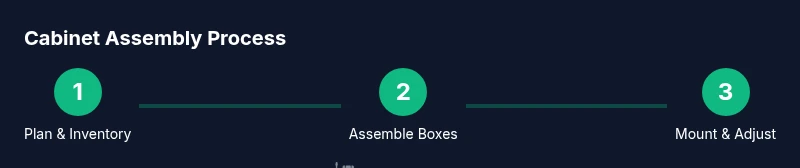
Goal: Assemble kitchen cabinets by planning your layout, verifying measurements, and organizing hardware before starting. You'll need basic tools (drill, level, screws) and cabinet hardware. This guide delivers a clear, step-by-step process to assemble, align, mount, and fine-tune doors and drawers for a durable, professional kitchen installation.
Planning and Prep
Before you touch a single screw, map out the room, verify wall dimensions, and confirm the cabinet layout. Start by sketching the design on graph paper or using a simple digital plan. According to Disasembl, precise measuring and planning save time and prevent costly mistakes when assembling kitchen cabinets. Take measurements for ceiling height, base cabinet run length, and any obstacles such as outlets or heat vents. Decide whether you will install wall cabinets first or base cabinets first; many pros prefer wall cabinets as a reference line. Gather all hardware and note model numbers, particularly for hinges and drawer slides, to avoid misplacements later. Finally, set up a clean, well-lit workspace with a dedicated assembly area to keep parts organized and prevent loss or mixups.
Measuring and Layout Accuracy
Accurate measuring is the backbone of a successful cabinet install. Start by marking a straight reference line along the wall using a level and chalk line. Measure twice for every run: verify wall width, cabinet width, and the spacing at door openings to ensure consistent gaps. Use shims behind base cabinets to account for floor irregularities. When mounting wall cabinets, a clear vertical reference helps achieve a straight run from end to end. Keep a consistent corner-to-corner measurement along the entire run and check diagonals between opposite corners after placing the first unit. These checks prevent cascading misalignment as you add more cabinets.
Inventory and Organization of Components
Unpack all boxes and lay contents out on a large, clean surface. Create a parts map that lists each cabinet box, face frame (if applicable), hardware, and finish trim. Count screws, hinges, drawer slides, and adapters; verify you have all required fasteners before assembly. Group identical pieces together to speed up the process and reduce swapping errors. Label boxes or parts with painter’s tape for quick reference during assembly. A well-organized inventory minimizes back-and-forth trips to the hardware store and helps you stay on schedule.
Assembling Cabinet Boxes
Start with the basic cabinet boxes, ensuring sides, top, bottom, and back panels align squarely. Use clamps to hold pieces while you drive screws, and apply a light bead of wood glue at joints only if your design calls for it. Predrilled holes and pocket holes can speed assembly and improve strength when aligned correctly. For face-frame cabinets, attach the frame to the box with wood screws, then check for square before proceeding to the next unit. Dry-fit each box first to confirm fit and alignment with adjacent cabinets. This reduces surprises during the final mounting phase.
Attaching Face Frames (if applicable)
If your cabinets use a face-frame style, attach the face frame to the box before mounting the cabinet to the wall. Align edges flush with the box, then secure with screws through the frame’s interior corners. Check that the face frame remains square as you tighten. Use clamps to hold pieces steady while you finish the fastening. Face frames help you achieve consistent door gaps and add a classic aesthetic, but they require extra attention to maintain alignment with neighboring units.
Installing Back Panels and Toe-Kicks
Back panels add rigidity and help square the cabinet run. Install the panel before hanging cabinets where possible, ensuring it sits flat and square. Toe-kicks provide a clean transition between cabinets and the floor and allow for easy leveling. Install the toe-kick pieces after securing the boxes to the wall and before final door alignment. If your space has uneven flooring, shim toe-kicks to maintain level cabinet faces and avoid sagging at the base.
Marking Stud Locations and Anchors
Before hanging anything, locate wall studs using a stud finder and mark their centers on the wall. Use a level to transfer the stud lines across the wall where the cabinets will mount. If no studs fall exactly where you need support, use appropriate wall anchors designed for heavy loads. Pro tip: mark multiple studs along the wall to ensure you can secure long runs without intermediate fasteners that could cause misalignment. Having solid anchors makes mounting easier and cabinet doors stay in true alignment.
Hanging Wall Cabinets
Begin with upper cabinets so you have a reference line to align base units later. Place the cabinet onto a ledger or helper stand, then level and plumb it against the wall. Secure the cabinet to studs with long screws, starting at the top corners and moving down. Use a level to confirm plumb across the front edge; minor adjustments can be made with shims placed behind the mounting screws. After the first cabinet is secured, continue with the remaining units, checking for a consistent ceiling reveal and consistent gaps between doors and drawers.
Securing Cabinets and Adjusting for Plumb
As you add more cabinets, verify plumb and level at each junction. Shim gaps behind the cabinet backs or at the mounting points to correct any deviations in the wall or floor. For long runs, install temporary supports to keep cabinets aligned while you secure adjacent units. Keep screws snug but not overly tight to avoid warping. After all boxes are mounted, recheck level and plumb across the entire run; minor refinements with shims and screw tension are common at this stage. Disasembl analysis shows that projects with thorough alignment checks finish with crisper gaps and doors that stay in adjustment longer.
Doors, Drawers, and Hardware
With the boxes in place, attach doors to the frames or hinges as per your chosen layout. Install drawer slides on the cabinet interiors and mount the drawers, checking that each runs smoothly. Adjust hinge plates and drawer slides to achieve even gaps and level fronts. Tighten all fasteners gradually while checking the door clearance and swing; avoid overtightening, which can cause binding. Install handles or knobs after you confirm the doors are square and doors and drawers close without rubbing.
Final Adjustments and Quality Checks
Finish with a last round of checks: confirm cabinet fronts are parallel, doors open without binding, and drawer faces align with adjacent cabinetry. Verify that all trim pieces sit flush and the toe-kicks are evenly spaced from the floor. Run each door and drawer multiple times to ensure smooth operation under normal use. Clean away dust and fingerprints from all surfaces to reveal a professional finish. The overall look should be aligned, with equal gaps and no jamming when doors or drawers are operated.
Common Pitfalls and Troubleshooting
Common issues include misaligned doors, doors rubbing against frames, and cabinets not staying level as you add more units. If doors rub, adjust the hinge mounting or add shims behind the hinge plate. For gaps that vary along a run, re-check plumb at each cabinet and adjust successive units accordingly. If a cabinet seems loose, re-tighten mounting screws and verify the wall anchors are properly seated. With planning and patience, most problems are solvable without redoing whole sections.
AUTHORITY SOURCES
- OSHA safety guidelines for power tool use: https://www.osha.gov
- University extension resources on cabinet installation: https://extension.illinois.edu
- Federal energy guidelines for efficient cabinet lighting and design: https://energy.gov
Tools & Materials
- Stud finder(Locate wall studs for secure mounting)
- Level (torpedo or laser)(Ensure cabinets are plumb and aligned)
- Cordless drill/driver(With bits for wood and cabinet screws)
- Screwdriver set (Phillips & flathead)(For hinge screws and drawer hardware)
- Measuring tape(At least 8-10 ft; extra length helps)
- Pencil and chalk line(For marking straight reference lines)
- Carpenter square(Check right angles between base and wall planes)
- Clamps(Hold parts during assembly and alignment)
- Rubber mallet(Tap parts without marring surfaces)
- Safety glasses(Protect eyes when drilling or chiseling)
- Cabinet screws and hinge hardware(Specifically sized for your cabinet system)
- Toe-kick material and back panels(Use as needed for your design)
Steps
Estimated time: 6-12 hours
- 1
Inventory parts
Unpack all boxes and verify you have every cabinet box, face frames (if used), doors, drawers, backs, toe-kicks, and hardware. Create a parts map and double-check model numbers to prevent mismatches later.
Tip: Dry-fit key joints before committing to fasteners. - 2
Plan layout on wall
Mark the wall with a clean reference line and layout plan for the cabinet run. Measure total length and account for gaps around appliances and corners. Decide the order of installation (wall cabinets first, then base units which serve as a reference line).
Tip: Use a laser level to maintain a perfectly straight line across the run. - 3
Assemble cabinet boxes
Assemble the cabinet boxes per your design (frame or frameless). Use clamps to keep edges square and drive screws through the predrilled holes. Apply only a light amount of glue at joints where required by design.
Tip: Check for square at each corner before the glue sets. - 4
Attach face frames
If your cabinets use a face frame, align frames flush with the box edges and secure with screws at the corners. Recheck squareness as you tighten to avoid skewed fronts.
Tip: Clamp the frame while fastening to keep edges aligned. - 5
Install back panels and toe-kicks
Fit back panels to add rigidity and trim toe-kicks for a clean base. Ensure panels sit flat and toe-kicks are level to avoid rocking when standing.
Tip: If floors are uneven, adjust toe-kicks with shims for level cabinet tops. - 6
Mark stud locations
Locate studs and mark centers on the wall. Transfer these marks along the cabinet lines to guide secure mounting and prevent drift when hanging multiple units.
Tip: Mark a couple of studs on each end of the first cabinet for reference. - 7
Hang first wall cabinet
Lift and place the first wall cabinet beneath the reference line. Level and plumb it, then secure to studs with long screws. Use temporary supports if needed until all units are in place.
Tip: Double-check the plumb and level before fully tightening screws. - 8
Secure remaining wall cabinets
Continue installing remaining wall cabinets, aligning the bottoms and tops to the reference line. Attach to studs at multiple points and use shims where necessary to correct minor deviations.
Tip: Drive screws in at both ends of each cabinet for stability. - 9
Install base cabinets
Position base cabinets, level front edges, and level them relative to the wall cabinets. Shim and secure to the floor or wall as required by the layout.
Tip: Keep a slight gap to account for countertop installation tolerance. - 10
Attach doors and drawers
Mount hinges and drawer slides, then hang doors and install drawers. Check for even gaps and adjust hinge plates and slides to ensure smooth operation.
Tip: Open and close doors repeatedly to detect any rubbing early. - 11
Install hardware and trim
Attach handles/knobs and trim pieces after confirming doors are square and aligned. Tighten hardware evenly to prevent misalignment.
Tip: Use a template or drill guide for consistent placement. - 12
Final checks and adjustments
Run a final pass: check plumb, level, and gaps across all doors and drawers. Make minor adjustments as needed, and clean the surfaces for a professional finish.
Tip: Document any recurring issues to improve future installations.
Got Questions?
Can I assemble kitchen cabinets myself, or should I hire a pro?
Yes, you can assemble most kitchen cabinets yourself if you have the right tools, a solid plan, and the time. A DIY approach saves money and helps you customize the layout, but requires patience and careful alignment to achieve professional results.
You can do it yourself with good planning, the right tools, and patience; professional help is recommended if you encounter complex layouts.
Do I need to remove countertops before installation?
Removing countertops is often not strictly necessary for base cabinet installation, but it can make access easier and prevent damage. If you leave them in place, take care not to scratch surfaces and plan for potential repositioning.
Usually you can work around the countertops, but removal makes access easier and reduces risk of damage.
What order should I install cabinets in?
Typically install wall cabinets first to establish a vertical reference line, then base cabinets. This sequence helps ensure alignments and provides a reference length for the countertop and appliances.
Install wall cabinets first for a reference line, then base cabinets.
What tools are essential for cabinet assembly?
A drill/driver, level, stud finder, tape measure, pencil, clamps, and a screwdriver set are essential. Having a partner can speed up lifting heavy boxes.
You need a drill, level, stud finder, tape measure, clamps, and screwdrivers.
How long does cabinet installation typically take?
Installation time varies with layout size and wall conditions, but most projects take several hours to a full day for a standard kitchen. Plan for breaks and verify each step before proceeding.
Expect several hours to a full day for a typical kitchen, with breaks built in.
What should I do about uneven walls or floors?
Use shims to compensate for wall and floor irregularities. Secure cabinets gradually and recheck level and plumb after mounting adjacent units.
Shim where needed and recheck alignment after mounting nearby cabinets.
Watch Video
What to Remember
- Plan layout and verify measurements before starting.
- Dry-fit and square joints to ensure a flush, professional finish.
- Hang wall cabinets first to establish a reference line.
- Check plumb and level at every junction as you install more units.
- Test doors and drawers after mounting and adjust as needed.