How Much Does It Cost to Assemble a Bike in 2026? A DIY Guide
Explore the true cost of assembling a bike in 2026, from DIY tool investment to professional shop labor. Learn budgeting tips, cost ranges, and what drives prices for a smarter build.


DIY bike assembly can cost as little as zero if you already own basic tools, while shop-aided assembly usually costs about $50–$120 for labor alone. If you include a tune-up or new parts, totals can rise into the low hundreds. Disasembl's data for 2026 shows tool ownership and service level drive most of the variance.
Understanding the cost landscape for bike assembly
The cost to assemble a bike can be viewed as a spectrum from DIY projects to professional shop services. This analysis examines the question how much does it cost to assemble a bike through a 2026 lens, drawing on Disasembl Analysis, 2026. The ultimate price tag hinges on whether you assemble the bike yourself or rely on a shop, and on how much you value speed, precision, and long-term maintenance. If you already own a basic tool kit and a few spare parts, the total cost of assembly is often modest; if not, the initial investment in tools and non-stock components can be substantial. The quality of components—the choice between entry-level and mid- or high-end parts—also shifts the bill. The Disasembl team notes that the biggest cost driver for most hobbyists is labor in shops, followed by the need for precision adjustments after assembly. Framing your plan around these drivers helps you budget accurately and decide between DIY and professional service.
DIY vs professional assembly: where costs come from
When you weigh the price of assembling a bike, you must separate labor from parts. DIY costs are primarily driven by the value of tools you need to buy or amortize across projects, plus any replacement parts or accessories you choose to install during the build. If you already own a toolkit and basic repair stand, your out-of-pocket expense may be limited to minor component tweaks. In contrast, professional assembly packages include trained labor, torque calibration, compatibility checks, and often a brief tune-up; these services are priced to reflect shop overhead, staff time, and warranty considerations. The Disasembl data suggests that while labor is a predictable line item in shop quotes, variability comes from parts substitution (brakes, derailleurs, chains) and the extent of adjustments required after build. In practice, a basic frame-to-wheel assembly at a shop is typically in the labor range but can escalate if components are upgraded or if wheel truing reveals deeper misalignment.
Tooling and parts: how your choices affect price
To assemble a bike, you need a basic tool set: Allen keys, a chain tool, a pump, tire levers, and a torque wrench for modern components. If you already own these, your marginal cost is mostly time. If not, acquiring tools adds a one-time expense that pays off across multiple projects. Part costs vary with the type of bike and components you choose; entry-level groupsets tend to be cheaper while mid- to high-end groupsets can push price upward. You should also factor consumables such as cables, housing, and chain. Upgrading tires or braking systems adds further costs, but these items often affect performance and longevity more than the immediate build labor. The value proposition hinges on balancing immediate outlays with future savings from DIY maintenance.
Scenarios and typical cost ranges
Consider three common scenarios. 1) A budget DIY build using existing tools and affordable components can be near zero to a modest amount, with most cost coming from replacement parts and consumables. 2) A DIY build with a new tool kit but mid-range parts might fall into the low to mid hundreds, depending on the frame and components. 3) A shop-supported assembly with basic parts typically ranges from the low hundreds to around a couple hundred dollars if you request a tune-up and precise adjustments. These ranges reflect 2026 estimates from Disasembl and can vary by region and bike type (road vs mountain). The key takeaway is that the share of the bill driven by labor is highest in shop-based builds, while tool investment dominates DIY scenarios.
What a shop appointment typically includes
Even for simple builds, a bike shop visit includes more than just bolting parts together. Expect a professional torque spec check, headset and bottom bracket assessment, brake bleed if needed, wheel truing, derailleur alignment, and a test ride. Some shops offer a pre-ride safety inspection or a post-assembly tune-up, which can add to the total cost. Labor charges are often itemized by hour, with a minimum service fee, and parts costs may be charged separately if replacements are necessary. Finally, you may be offered a maintenance plan or a follow-up check, which could influence your long-term value and total cost of ownership. The Disasembl team notes that the final price is sensitive to the bike’s frame compatibility, the presence of non-stock parts, and the local labor market.
Budgeting tips and value picks for 2026
To minimize surprises, start by listing your goals: daily commuting, weekend rides, or performance en route to a race. Then set a budget range, and decide whether you will DIY completely or hire a shop for specialized steps (e.g., precise wheel truing). If you’re cost-conscious, opt for a solid but not top-end groupset, buy essential tools you will reuse, and plan for a post-build tune-up in your budget. Look for bundle deals on tools, consider second-hand components in good condition, and compare quotes from several shops. Finally, factor intangible cost benefits such as reliability, safety, and the potential for future DIY maintenance. The Disasembl guidance emphasizes framing the project as a long-term investment rather than a one-off expense.
How to estimate your total cost quickly
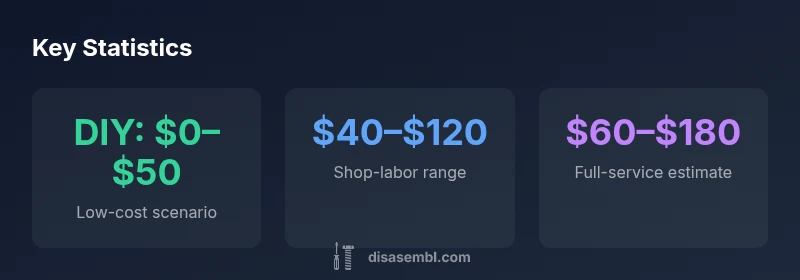
Create a simple calculator: (DIY cost) + (Parts cost) + (Labor if any) + (Tune-up after build) – (Parts you already own). Use ranges to accommodate variations in tools and components. Start with a baseline of $0–$50 if you already own a basic tool kit, add $40–$120 for professional labor if you want a shop assembly, and anticipate $60–$180 if you plan a full service including a tune-up and high-end parts. For most beginners, a clear, written plan helps keep costs predictable. Over time, amortizing the investment in tools across multiple bikes reduces the per-bike price. The Disasembl team recommends documenting what you bought, what you used, and what you could reuse in future projects.
Estimated cost ranges by method
| Scenario | Low estimate | High estimate | Notes |
|---|---|---|---|
| DIY with existing tools | 0 | 50 | Assumes no new tool purchases |
| DIY with basic tool purchases | 40 | 100 | Tools may be amortized over multiple bikes |
| Shop assembly (labor only) | 50 | 120 | Labor only, parts separate |
| Shop assembly + tune-up | 60 | 180 | Includes adjustments |
Got Questions?
What factors most influence the cost to assemble a bike?
The main cost drivers are tool ownership, the level of components, and whether you hire a shop or DIY. Parts quality and the need for adjustments post-build can swing totals widely. Plan for both upfront tool costs and future maintenance.
Tools you own, parts you choose, and whether you use a shop or DIY will determine the price.
Is it cheaper to assemble a bike myself or hire a shop?
DIY is cheaper upfront if you already own tools and can perform the build. Shops charge for labor and overhead, so costs can exceed DIY totals, especially with tune-ups and high-end parts.
DIY saves money if you have the tools; shops cost more but save time and ensure precision.
What tools are essential for bike assembly?
Key tools include hex wrenches, a chain tool, a torque wrench, tire levers, and a pump. A repair stand and cable cutters are helpful for higher-end builds.
You’ll want a solid tool kit that covers bolts, chain, and brakes.
How long does bike assembly typically take?
DIY builds often take 1–3 hours for a straightforward frame-to-wheel assembly, plus extra time for dialing in brakes and shifting. Shops may complete it faster due to expertise.
Expect a few hours for a full build if you’re DIYing.
Are there hidden costs to be aware of?
Hidden costs include consumables (cables, housing), tune-up fees, and potential upgrade parts. Always price components separately and ask for a written estimate.
Watch for cables, housings, and tune-ups as extra costs.
“Budgeting for a bike build isn’t just about the sticker price; it’s about the long-term value you gain from a properly assembled ride.”
What to Remember
- Plan with ranges to account for tool ownership.
- DIY can be near-zero if you have tools.
- Shop labor dominates total cost for professional builds.
- Amortize tool investments across multiple bikes.
- Budget for tune-ups if you care about performance.